


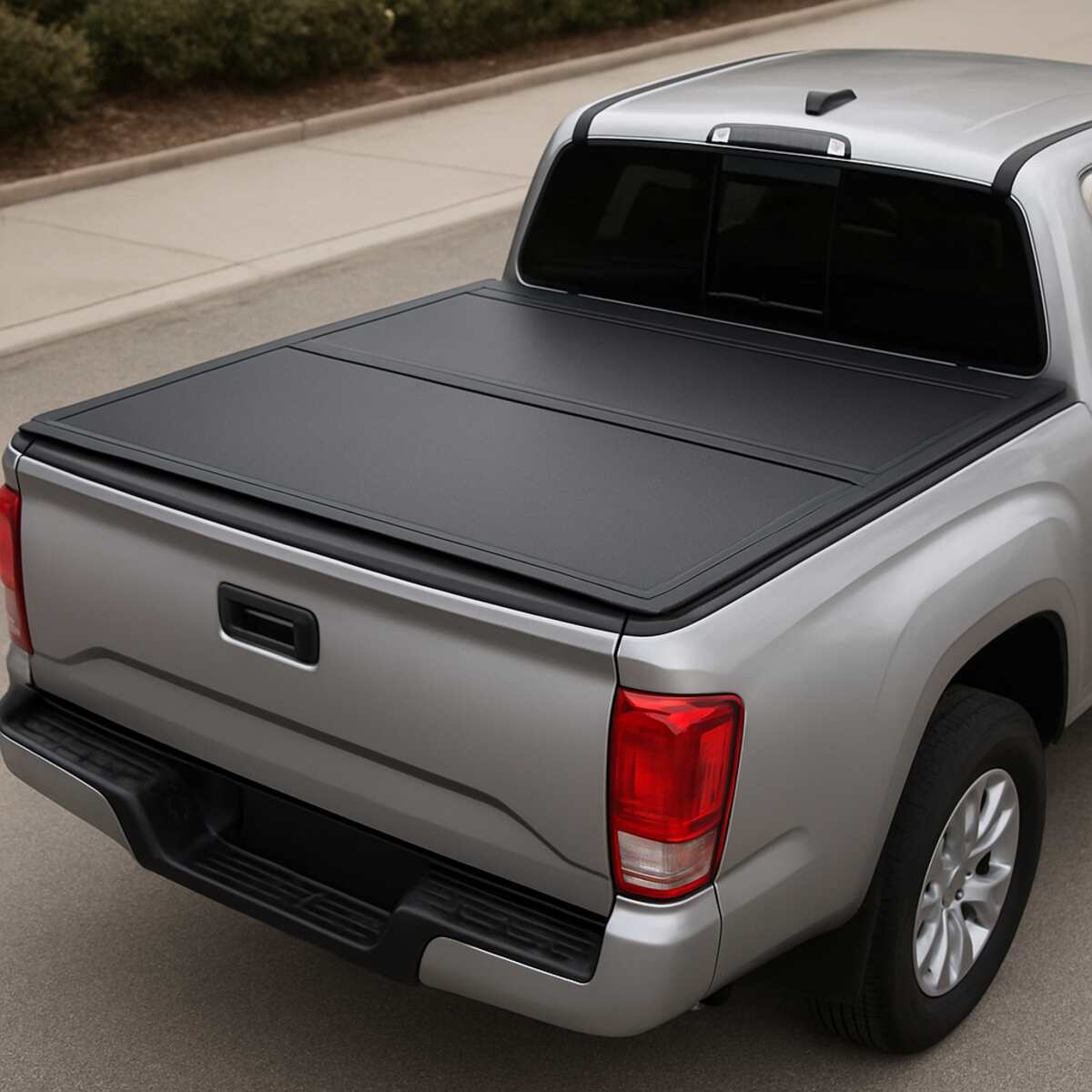
Investing in a tonneau cover is one of the smartest decisions you can make for your pickup. Not only does it secure your cargo from theft and weather, but it also streamlines your vehicle’s aerodynamics, potentially improving fuel efficiency. However, a truck bed cover is not a “set it and forget it” accessory. Constant exposure to harsh sunlight, freezing rain, road salt, and hurricane-force winds on the highway takes a toll on the materials and mechanical components. Best way to find the quad fold tonneau cover.
To ensure your investment lasts for years, adhering to a strict regimen of care is essential. In this comprehensive guide, we will explore the ultimate Tri-Fold tonneau cover maintenance tips. Whether you are dealing with a rugged aluminum hardtop or a sleek vinyl soft cover, understanding the nuances of proper upkeep will save you money, prevent frustrating leaks, and keep your truck looking showroom-ready.
1. Understanding Your Tri-Fold Tonneau Cover Anatomy
Before diving into specific maintenance routines, it is vital to understand the anatomy of a tri-fold tonneau cover. Knowing how the parts work together helps you identify wear and tear before it becomes a catastrophic failure.
A standard tri-fold cover typically consists of three equal-sized panels connected by heavy-duty hinges. When you need bed access, the panels fold back onto one another, usually securing at the bulkhead (the front of the truck bed) with buckle straps or struts.
Core Components to Monitor
- The Panels: The main body of the cover, made from either marine-grade vinyl stretched over an aluminum frame, or solid panels made of aluminum, fiberglass, or heavy-duty polymers.
- The Hinges: The articulating joints between the panels. These bear the brunt of the mechanical stress during folding and unfolding.
- Rubber Weather Seals: The flexible strips lining the perimeter and the spaces between the folding panels. These are your primary defense against water intrusion.
- Clamps and Mounting Hardware: The brackets that secure the cover’s rails to the lip of your truck bed.
- Drainage Tubes/Tracks (Hard Covers): Channels designed to catch water that bypasses the top seals and route it out of the bed.
By familiarizing yourself with these components, you will be much better equipped to handle everything from cleaning rubber seals on tri-fold covers to mechanical adjustments.
2. The Ultimate Cleaning Routine
Keeping your truck bed cover clean is the baseline of all maintenance. Dirt, bird droppings, tree sap, and industrial fallout do more than just make your truck look bad; they actively degrade the materials.
Establishing a Cleaning Schedule
How often should you clean your cover? As a general rule:
- Light Cleaning: Every two weeks, or whenever you wash your truck.
- Deep Cleaning and Protection: Every month during harsh seasons (summer/winter), and every two months during mild seasons.
- Spot Cleaning: Immediately upon noticing bird droppings or tree sap, as these are highly acidic and will eat through vinyl and clear coats.
The Best Soap for Washing Tonneau Covers
One of the most common mistakes truck owners make is using household dish soap to wash their vehicles. Dish soap is formulated to strip grease and baked-on food. When applied to a tonneau cover, it strips away protective waxes, sealants, and the natural plasticizers in vinyl that keep it flexible.
The best soap for washing tonneau covers is a pH-balanced, high-quality automotive car wash shampoo. These soaps provide excellent lubricity to safely lift dirt without scratching the surface and do not degrade the cover’s protective layers.
- For Vinyl Covers: Look for a pure car shampoo without added waxes. Waxy soaps can leave a chalky white residue in the textured grain of the vinyl.
- For Hard Painted/Aluminum Covers: Wash-and-wax shampoos are generally safe, but a dedicated pH-neutral soap followed by a separate synthetic sealant is always superior.
Hard vs Soft Tri-Fold Cover Cleaning
When it comes to hard vs soft tri-fold cover cleaning, the approach and tools differ significantly due to the surface materials.Cleaning Soft (Vinyl) Covers:
- Rinse Thoroughly: Start by hosing off the cover to remove loose dust and grit. Never wipe a dry vinyl cover.
- Use a Soft Brush: Instead of a wash mitt, use a soft-bristled detailing brush (like a horsehair brush). Vinyl has a textured grain that traps dirt. A brush will gently lift the dirt out of these microscopic crevices better than a flat sponge.
- Wash in Sections: Wash one panel at a time and rinse immediately. Do not let soapy water dry on the cover under the sun, as it will leave stubborn water spots.
- Dry Completely: Use a plush microfiber drying towel or an automotive air blower. Ensure the cover is completely dry before applying any protectants.
Cleaning Hard (Aluminum/Fiberglass) Covers:
- Pre-Rinse: Hose away loose debris.
- Use a Microfiber Mitt: Hard panels generally have a smooth or lightly textured matte finish. A high-quality microfiber wash mitt is perfect for gliding over the surface and trapping dirt safely.
- Be Gentle on Matte Finishes: If your hard cover has a matte black finish, do not scrub aggressively, as this can create shiny spots (polishing the matte finish).
- Dry Gently: Pat dry with a microfiber waffle-weave towel to prevent streaks and water spots.
3. Deep Dive into Material Maintenance
Once your cover is pristine, protecting the material is the next critical step. This is where the difference between vinyl and aluminum maintenance truly comes into play.
Protecting Vinyl Tonneau Covers
Vinyl is essentially a durable plastic, but it has a major enemy: the sun. UV rays bombard the vinyl, causing the chemical plasticizers (the ingredients that keep it soft and pliable) to off-gas and evaporate. When this happens, the vinyl shrinks, fades, and eventually cracks.Applying UV Protectant for Vinyl Truck Bed Covers
To combat the sun, you must routinely use a UV protectant for vinyl truck bed covers. Think of this as sunscreen for your truck.
- What to Avoid: Stay away from cheap, silicone-based tire shines or generic interior dashboard sprays. These products often contain petroleum distillates that will aggressively dry out the vinyl over time. They also leave a greasy residue that attracts dust and washes off in the first rain.
- What to Use: Look for water-based, marine-grade vinyl protectants (e.g., 303 Aerospace Protectant). These formulations penetrate the vinyl to restore lost moisture and provide a dry, matte, UV-blocking finish.
- Application Method: Spray the protectant onto a microfiber applicator pad (not directly onto the cover to avoid overspray on your truck’s paint). Work it into the vinyl using overlapping circular motions. Let it sit for 3-5 minutes to absorb, then take a clean microfiber towel and vigorously buff away any excess.
Restoring Faded Black Vinyl Tonneau Covers
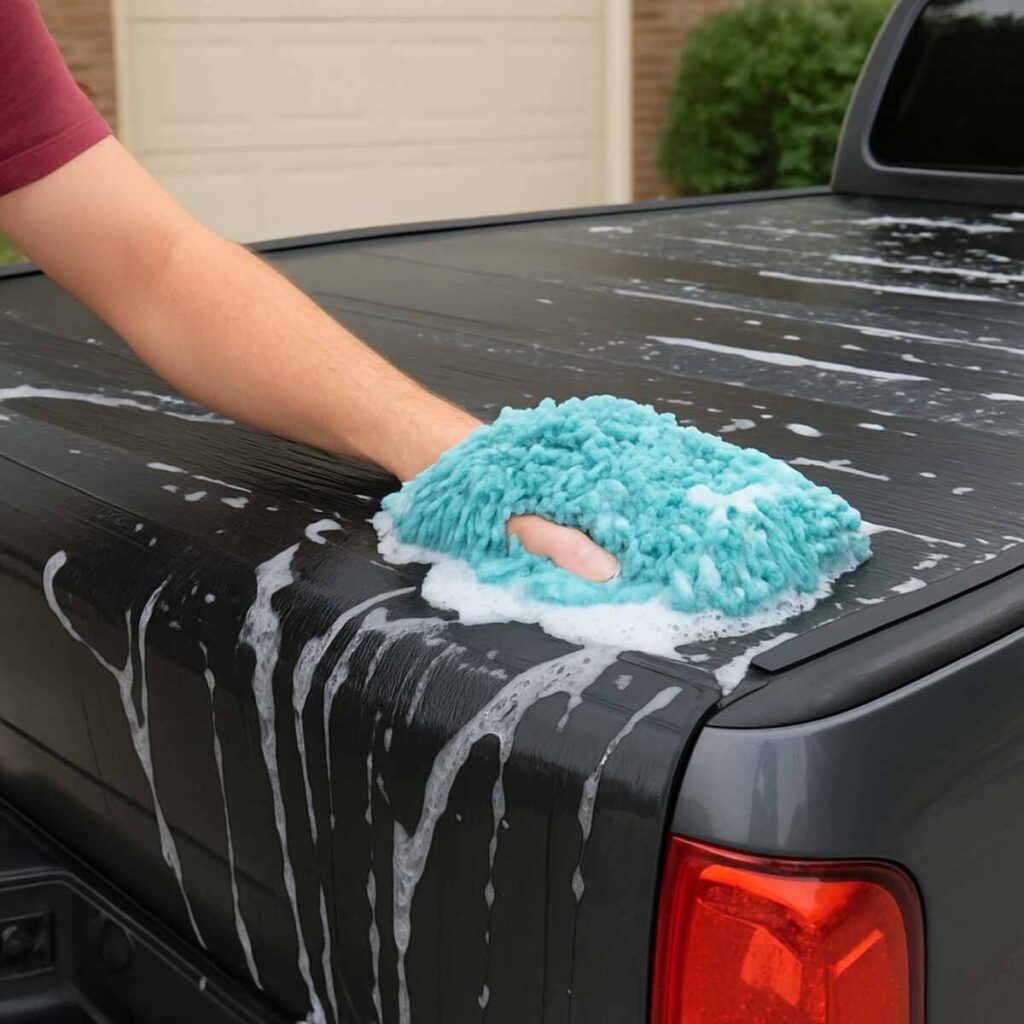
If you’ve neglected your cover and it has turned a chalky, mottled gray, all is not lost. Restoring faded black vinyl tonneau covers is entirely possible with a little elbow grease.
- Deep Clean: Wash the cover using a specialized vinyl cleaner and a stiff-bristled interior brush. You need to strip away any dead, oxidized vinyl and old, degraded protectants.
- Rinse and Dry: Ensure the surface is bone dry.
- Apply a Restorer: Purchase a dedicated black trim and vinyl restorer (often containing black dye or advanced ceramic polymers).
- Work in Small Sections: Apply the restorer evenly with an applicator pad. Ensure you push the product deep into the grain of the vinyl.
- Level and Buff: Wipe away the excess immediately to ensure an even finish without streaks.
- Cure Time: Keep the truck out of the rain for at least 24 hours to allow the dye and polymers to cross-link and cure.
Protecting Aluminum and Hard Covers
The difference between vinyl and aluminum maintenance is that aluminum won’t dry out and crack, but it will oxidize, corrode, and suffer from clear-coat failure if neglected.
- Matte Black Aluminum: This is the most common hard cover finish. Avoid traditional carnauba waxes, as they will dry white in the matte texture and ruin the finish. Instead, use a spray-on ceramic detailer or a sealant specifically designed for matte finishes. These provide hydrophobic (water-repelling) properties and UV protection without adding an unwanted gloss.
- Painted Fiberglass: Treat this exactly like your truck’s paint. Wash, decontaminate with a clay bar if necessary, and protect it with a high-quality ceramic coating or synthetic paint sealant.
4. Mechanical Maintenance and Hardware Integrity
Your tri-fold cover relies on a series of mechanical components to function safely. At highway speeds, the wind creates negative pressure above the truck bed, effectively trying to suck the tonneau cover upward. If your hardware fails, the cover could detach, causing severe damage or a dangerous accident.
Checking Mounting Hardware for Tightness
The constant vibration of driving, combined with the extreme temperature fluctuations of the truck bed, causes metal components to expand, contract, and ultimately loosen. Checking mounting hardware for tightness is a non-negotiable monthly task.
- Inspect the Clamps: Most tri-fold covers use a series of C-clamps or specialized rail brackets. Get into the truck bed with a flashlight.
- Wiggle the Rails: Grab the mounting rails and try to move them. If there is any play, the clamps need tightening.
- Torque to Spec: Using a socket wrench or the manufacturer-provided tool, tighten each clamp. Caution: Do not overtighten! Crushing the aluminum bed rails or stripping the bolts is a costly mistake. Snug them down firmly, but stop once resistance becomes heavy.
- Check the Panel Fasteners: Look at the underside of the panels where the hinges mount. Ensure none of the small screws or rivets have backed out.
Adjusting Tension on Tri-Fold Truck Lids
If you own a soft tri-fold cover, you may notice it starts to flap or flutter excessively in the wind as it ages, or it becomes incredibly difficult to snap shut in cold weather. This means you need to be adjusting tension on tri-fold truck lids.
Vinyl expands in the summer heat (becoming loose) and shrinks in the winter cold (becoming drum-tight).
- To Adjust Tension: Open the cover and look near the tailgate header or the front bulkhead. Most high-quality soft tri-folds have tension adjustment blocks or dials on the side rails.
- Summer Adjustment: If the cover is flapping, move the tension block back a notch to pull the vinyl tighter.
- Winter Adjustment: If you cannot latch the cover because the vinyl has shrunk, move the tension block forward to introduce some slack. Forcing a frozen, shrunken cover closed can tear the vinyl or snap the latching mechanism.
How to Lubricate Tonneau Cover Hinges
The hinges of a folding cover are exposed to rain, dirt, and grit. Over time, they will become stiff, squeaky, and difficult to articulate. If forced, a seized hinge will snap. Knowing how to lubricate tonneau cover hinges properly is vital.
- Clean the Hinge First: Never apply lubricant over dirt. This just creates an abrasive grinding paste. Use a damp microfiber towel to wipe the hinge joints clean. Use compressed air to blow out grit if necessary.
- Choose the Right Lubricant: Do not use WD-40. Standard WD-40 is a solvent, not a long-term lubricant. It will wash away quickly and can dry out the rubber seals located near the hinges. Instead, use a Dry PTFE (Teflon) Spray or a Silicone-based Spray Lubricant.
- Apply Sparingly: Fold the cover back. Spray a quick burst of lubricant directly into the hinge pins.
- Work it In: Fold and unfold the panel several times to distribute the lubricant evenly inside the joint.
- Wipe the Excess: Use a rag to wipe away any drips. Excess lubricant will attract dust and create a mess.
5. Weatherproofing: Mastering Seals and Leaks
The primary reason most people buy a tonneau cover is to keep their cargo dry. However, no folding cover is 100% waterproof right out of the box, and over time, water intrusion can become a major headache.
Cleaning Rubber Seals on Tri-Fold Covers
Related Posts
The perimeter of your cover and the spaces between the folds are lined with EPDM rubber or foam weatherstripping. If these seals dry out, they shrink, flatten, and crack, allowing water to pour in.
Cleaning rubber seals on tri-fold covers should be done every time you wash the truck:
- Wipe Down: Use a mild soap solution and a microfiber towel to wipe the entire length of all rubber seals. Remove all dirt and tree needles that might prevent the seal from sitting flat.
- Condition the Rubber: Just like vinyl, rubber needs hydration. Once dry, spray a dedicated rubber conditioner or silicone spray onto a rag and wipe down the seals. This keeps the rubber plump, supple, and capable of creating a watertight barrier against the truck bed.
How to Fix Leaks in Tri-Fold Seams
Even with pristine seals, water finds a way. If you notice puddles in your bed after a rainstorm, you need to know how to fix leaks in tri-fold seams and perimeters.
- Locate the Leak: Have a friend get inside the truck bed with a flashlight. Close the tailgate and the cover. Spray the exterior of the cover with a garden hose. The person inside will easily spot where the water is penetrating.
- Common Leak Point 1 – The Bulkhead: The front of the truck bed (near the cab) is notoriously lower than the side rails on many trucks. If water is coming in here, purchase a roll of automotive-grade foam weatherstripping. Apply an additional strip across the bulkhead to raise the profile and create a tight seal against the cover.
- Common Leak Point 2 – The Tailgate Gap: The gaps on the left and right sides of the tailgate are massive on most modern trucks. A cover cannot fix this. You need to install a “Tailgate Seal Kit,” which is a rubber gasket you stick to the perimeter of the tailgate opening.
- Common Leak Point 3 – The Folding Seams: If the leak is coming through the hinges of the tri-fold itself, the internal seals may be damaged. You can carefully apply a thin bead of clear marine-grade silicone sealant along the compromised interior seam. Ensure the cover remains open until the silicone is fully cured (usually 24 hours) so you do not glue the panels together.
6. Drainage, Climate Control, and Interior Health
The exterior of the cover gets all the attention, but managing the micro-climate underneath the cover is just as important for maximizing the lifespan of truck bed covers and protecting your cargo.
Removing Debris from Tonneau Cover Drainage Tracks
This step is primarily for hard folding covers that sit flush with the bed rails. These systems feature internal gutters that catch water bypassing the top seals. The water flows down the gutters and exits through plastic drainage tubes routed through the front of the truck bed.
Over time, pine needles, leaves, dirt, and dead bugs wash into these gutters. If they clog, the water backs up and spills directly into the bed.
- Routine Inspection: Every fall, or if you park under trees regularly, open the cover and inspect the side rails.
- The Cleaning Process: Removing debris from tonneau cover drainage tracks is simple. Use a wet/dry shop vacuum with a narrow crevice tool to suck out loose debris.
- Clearing the Tubes: If a drainage tube is clogged, detach it from the rail. Run a flexible wire or a long pipe cleaner through the tube to push out the blockage. Flush the track and the tube with a cup of warm water to ensure it flows freely before reattaching.
Preventing Mold and Mildew Under Truck Covers
A sealed truck bed is essentially a dark, unventilated metal box. When the sun hits the black cover, the temperature inside skyrockets. If there is any moisture present, the truck bed becomes a humid greenhouse—the perfect breeding ground for mold, mildew, and rust.
Preventing mold and mildew under truck covers requires a proactive approach:
- Never Trap Moisture: If you wash the inside of your bed, haul wet camping gear, or if a rainstorm manages to leak inside, do not close the tonneau cover and walk away. Leave the cover folded open in the sun until the truck bed is completely dry.
- Manage Condensation: In colder climates, temperature shifts between night and day can cause heavy condensation to form on the underside of the tonneau panels. This moisture will drip onto your cargo.
- Use Desiccants for Long Storage: If you store sensitive equipment (like tools or fabric items) in the bed long-term, place a few large silica gel desiccant packs or a moisture-absorbing bucket (like DampRid) in the corner of the bed to pull moisture out of the trapped air.
- Clean Up Spills: If you spill fertilizer, groceries, or chemicals in the bed, wash it out immediately. Organic matter combined with humidity will cultivate mold on the underside of the cover incredibly fast. Wipe the underside of the panels occasionally with a mild all-purpose cleaner to remove mildew spores.
7. Environmental Warfare: Protecting Your Cover Year-Round
Your maintenance routine must adapt to the seasons. The threats your cover faces in the dead of winter are entirely different from the grueling heat of summer.
Protecting Tonneau Covers from Winter Salt Damage
For truck owners in snowy climates, winter is the most destructive season. Road salt, calcium chloride, and liquid brine are sprayed onto the roads to melt ice. These chemicals get kicked up into a fine mist that coats your entire truck, including the bed cover.
Protecting tonneau covers from winter salt damage is crucial because salt rapidly accelerates the corrosion of aluminum hinges, rusts metal hardware, and aggressively dries out vinyl and rubber seals.
- Pre-Winter Prep: In late autumn, perform a heavy-duty deep clean. Apply a generous layer of UV/Moisture protectant to vinyl covers, or a durable synthetic ceramic sealant to hard covers. Lubricate every hinge and heavily condition all rubber seals.
- Frequent Rinsing: You must not leave road salt sitting on the cover for weeks. Even if it is freezing out, utilize a self-serve coin wash to power-wash the salt off the vehicle at least once a week. Keep the wand at least two feet away from the cover to avoid damaging the material.
- Do Not Scrape Ice: Never use a hard plastic ice scraper on a tonneau cover. On a soft cover, it will slice the taut, frozen vinyl. On a hard cover, it will gouge the paint or aluminum finish. Instead, use a soft snow brush to remove snow. Let the vehicle’s heater warm the cab, which will eventually transfer enough heat to the bed to loosen ice, or park in a sunny spot.
- Handle Frozen Latches with Care: If the cover’s latching mechanism freezes shut, do not force it. Spray a little de-icer into the mechanism, or use a hair dryer to gently thaw the latch.
Surviving the Summer Heat
Summer brings intense UV radiation and extreme heat. A black tonneau cover can easily reach surface temperatures exceeding 150°F (65°C) in direct sunlight.
- Combatting UV: As mentioned earlier, routine application of a UV protectant is mandatory. In the summer, increase the frequency to every 3-4 weeks.
- Parking Strategy: Whenever possible, park in the shade or a garage. Minimizing prolonged exposure to direct sunlight is the easiest way to double the lifespan of the cover.
- Ventilation: If the truck has been sitting in the blazing sun all day, fold the cover open for a few minutes before loading heat-sensitive cargo to let the trapped, superheated air escape.
8. The Automatic Car Wash Dilemma
One of the most frequently asked questions among new truck owners is: Are tonneau covers safe for automatic car washes?
The answer is nuanced and depends entirely on the type of cover you have and the type of car wash you are using.
Touchless Car Washes
Generally, touchless car washes—which use only high-pressure water jets and strong detergents—are safe for all types of tri-fold tonneau covers, both hard and soft. However, there are caveats:
- Water Intrusion: The extreme pressure of the jets will almost certainly push some water past the rubber weather seals. Expect a little water in the bed.
- Harsh Chemicals: Touchless washes compensate for the lack of scrubbing by using highly acidic and highly alkaline soaps. Over time, these harsh chemicals will strip the protective sealants from hard covers and degrade the plasticizers in vinyl covers. If you use touchless washes regularly, you must reapply your protectants more frequently.
Friction (Brush) Car Washes
These are the traditional car washes with spinning cloth or foam brushes.
- Hard Covers: High-quality painted aluminum, fiberglass, or polymer hard covers can usually survive friction washes. However, just like your truck’s paint, the brushes will inflict micro-scratches and swirl marks over time.
- Soft Covers: Avoid friction washes at all costs. The spinning brushes can catch the edge of the vinyl, stretching or tearing it. Furthermore, the heavy brushes pressing down on the unsupported center of the vinyl panels can stretch the material, causing it to sag permanently.
The “Wax” Additive Warning
Regardless of the type of car wash, decline the “spray wax” or “clear coat protectant” options if you have a soft vinyl cover or a matte-black hard cover. These commercial bulk waxes leave a nasty, chalky white residue embedded in the texture of the cover that is incredibly difficult to remove.
The best practice for tonneau cover care will always be a gentle hand wash at home.
9. Maximizing the Lifespan of Truck Bed Covers
To tie all these Tri-Fold tonneau cover maintenance tips together, you need a holistic, long-term strategy. Maximizing the lifespan of truck bed covers isn’t about doing one major detail a year; it is about consistent, minor upkeep.
The Ultimate Tonneau Cover Maintenance Calendar
Weekly / Bi-Weekly (During normal truck washing):
- Wash the cover with pH-balanced soap.
- Wipe down the visible perimeter rubber seals.
- Visual inspection for bird droppings, tree sap, or new damage.
Monthly:
- Apply your chosen UV protectant (for vinyl) or spray sealant (for hard covers).
- Spend 5 minutes checking mounting hardware for tightness.
- Wipe away any dust or grime from the folding hinges.
Quarterly (Every 3 Months):
- Deep clean the tracks and perform the task of removing debris from tonneau cover drainage tracks.
- Learn exactly how to lubricate tonneau cover hinges and apply silicone/PTFE spray to all moving parts, latches, and locking cylinders.
- Check the tension of the cover and adjust if the seasons are changing.
Annually (Pre-Winter or Pre-Summer):
- Perform a heavy decontamination wash.
- If you have a vinyl cover, evaluate its color. If it looks tired, spend a Saturday afternoon restoring faded black vinyl tonneau covers using a dedicated dye-restorer.
- Inspect all rubber seals for cracking. Replace any weatherstripping that has failed to prevent learning the hard way how to fix leaks in tri-fold seams.
Conclusion
Your tri-fold tonneau cover is an incredibly hardworking accessory, enduring blistering sun, freezing snow, and hurricane-force winds every time you hit the highway. By implementing these expert Tri-Fold tonneau cover maintenance tips, you elevate your role from a simple truck driver to a responsible owner.
Remember that consistency is key. Using the best soap for washing tonneau covers, religiously applying UV protectant for vinyl truck bed covers, and vigilantly checking mounting hardware for tightness will prevent 90% of the common failures owners experience. Whether you are battling winter salt, adjusting tension for changing seasons, or carefully navigating the automatic car wash, the knowledge you’ve gained here will ensure your cover remains secure, watertight, and visually stunning for the lifetime of your truck. Take care of your cover, and it will undeniably take care of your cargo.
